
Home Office und virtueller Unterricht
Mit digitalen Lösungen besser durch die Krise
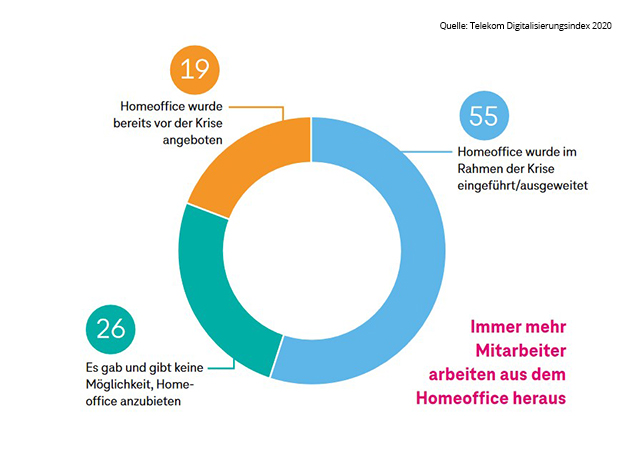
Beschleunigt durch die Corona-Pandemie könnte 2020 als das Jahr der großen digitalen Transformation in die Geschichtsbücher eingehen. Wer diesem Trend folgt, kommt dabei meist besser durch die Krise. Dies gilt für die allgemeinen Geschäftsprozesse gleichermaßen wie für die Weiterbildung in Unternehmen und an Hochschulen.
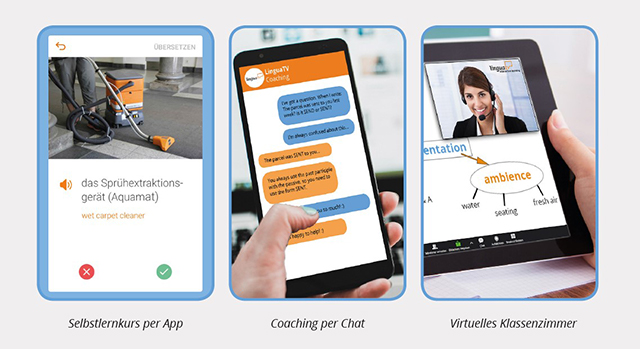
Manche haben diesen Trend rechtzeitig erkannt und schon vor der Pandemie umgestellt. Ein gutes Beispiel dafür ist die Firma Gegenbauer, einer der größten Facility Management Anbieter in Deutschland. Bereits 2018 begann Gegenbauer zusammen mit LinguaTV eine digitale Lösung für das Sprachtraining seiner Mitarbeiter einzuführen und setzte dabei auf eine Kombination aus Sprachlern-App, Mobile Coaching und Unterricht im virtuellen Klassenzimmer. Die Gegenbauer-Mitarbeiter können seitdem ein örtlich und zeitlich flexibles Sprachtraining in Anspruch nehmen und sich die Anfahrt zum Präsenzunterricht sparen. Als Anfang 2020 der erste Corona-Lockdown verhängt wurde, konnte das Training ohne jegliche Einschränkungen fortgesetzt werden.

Wer zu diesem Zeitpunkt nur Präsenzunterricht anbot, hatte erstmal ein Problem. Dies betraf nicht nur Unternehmen, sondern vor allem auch Schulen und Universitäten. Doch auch hier zeigte sich, dass selbst für eine größere Anzahl an Lernern eine digitale Lösung schnell und effizient umgesetzt werden kann. So schaffte es die Ruhr-Universität-Bochum zusammen mit LinguaTV innerhalb kürzester Zeit für über 100 angehende Studenten mit Migrationshintergrund Deutschkurse im virtuellen Klassenzimmer anzubieten. Dank eines innovativen Blended Learning Konzeptes ist dieser virtuelle Unterricht eng mit den Selbstlernkursen per App verzahnt und sorgte im ersten Semester bereits für äußerst erfolgreiche Lernergebnisse. Das Angebot an virtuellen Deutschkursen wird an der Ruhr-Universität-Bochum nun weiter ausgebaut.
Wenn auch Sie sich für ein flexibles und Corona-Krisenfestes Sprachtraining interessieren, unterstützt das Team von LinguaTV Sie gerne dabei, eine passende Lösung zu finden.