
Let’s collaborate!
Sprachentraining im virtuellen Klassenzimmer
Frontalunterricht? Nein, danke! Gerade für den Erwerb einer neuen Sprache sind Interaktion und aktives Sprechen enorm wichtig. Der Unterricht im virtuellen Klassenzimmer bietet eine Vielzahl neuer Möglichkeiten für die Zusammenarbeit zwischen Trainern und ihren Kursteilnehmenden.
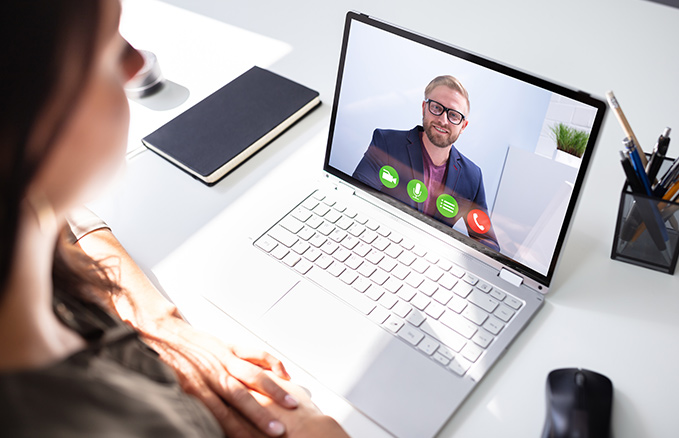
Steven arbeitet seit 5 Jahren für LinguaTV, einem Sprachkursanbieter für Firmenkunden. Aktuell unterrichtet er eine Gruppe mit fünf Teilnehmern aus dem mittleren Management eines Versicherungskonzerns. Dabei versucht er das Training möglichst nah am praktischen Arbeitsalltag zu orientieren. Das Thema der nächsten Sitzung: “Du hast eine gute Idee. Wie schaffst du es, deine Teamkollegen dafür zu begeistern?” Steven beginnt den Unterricht gerne mit einem Brainstorming. Dafür benutzt er die Whiteboard-Funktion des virtuellen Klassenzimmers. Die Vorschläge der Teilnehmer gruppiert er dabei kreisförmig in einem Spider-Diagramm. Somit erarbeitet die Gruppe gemeinsam eine Übersicht mit Tipps. Im nächsten Schritt geht es an die praktische Umsetzung. In Form eines Rollenspiels sollen die Teilnehmer versuchen ihren Lernpartner für eine Idee zu begeistern. Dazu setzt Steven jeweils zwei Lerner in separate virtuellen Räume, auch Breakout-Room genannt. Er selbst kann sich dabei flexibel zwischen den Räumen bewegen und seine Schüler mit praktischen Ratschlägen unterstützen. Nach etwa 15 Minuten kommen die Teilnehmer wieder zusammen und diskutieren die Ergebnisse der Partnerübung. Als Hausaufgabe hat sich Steven etwas ganz besonderes überlegt. Jeder der Teilnehmenden soll eine Idee überzeugend präsentieren und sich dabei mit seinem Smartphone filmen. Die Lernenden sollen dabei nicht nur ihre englischen Sprachfertigkeiten trainieren, sondern auch an ihrer Rhetorik, Mimik und Gestik arbeiten. Diese Videos werden dann mit der Gruppe geteilt und sollen in der nächsten Sitzung gemeinsam besprochen werden. Außerdem sollen die Teilnehmer hilfreiche Online-Artikel und Ratgeber-Videos zu diesem Thema recherchieren und mit der Gruppe teilen. Im Laufe der Zeit wird auf diese Weise eine multimediale Content-Sammlung entstehen, von der die Lernenden auch nach Ende des Unterrichts noch profitieren können.
Steven ist begeistert von den kollaborativen Möglichkeiten, die das virtuelle Klassenzimmer zu bieten hat. Neben der höheren Flexibilität war dies einer der wichtigsten Gründe, warum er bereits vor sieben Jahren komplett auf den Online-Unterricht umgestiegen ist. In Zeiten von Corona können seine Kursteilnehmenden nun von seinen langjährigen Erfahrungen profitieren.
Dies ist nur ein Beispiel für die vielfältigen Einsatzmöglichkeiten und Vorteile von virtuellen Seminarräumen im Sprachentraining. Insbesondere auch in Kombination mit weiteren E-Learning Angeboten, wie multimedialen Selbstlernkursen, lässt sich eine bedarfsgerechte und effektive Trainingslösung zusammenstellen. Die Bildungsexperten von LinguaTV stehen Ihnen für eine kostenlose Beratung gerne zur Verfügung.