
Feedback-Kultur: Erfolgreiches Mitarbeitertraining ist Teamwork
Die Einführung eines neuen Mitarbeitertrainings ist meist mit vielen Hürden und Stolpersteinen verbunden. Durch eine lebendige Feedback-Kultur während sämtlicher Phasen der Entwicklung und Umsetzung, lassen sich die Akzeptanz und der Erfolg des Trainings jedoch nachhaltig verbessern. Ein Erfahrungsbericht.

Vorbereitung und Konzeption
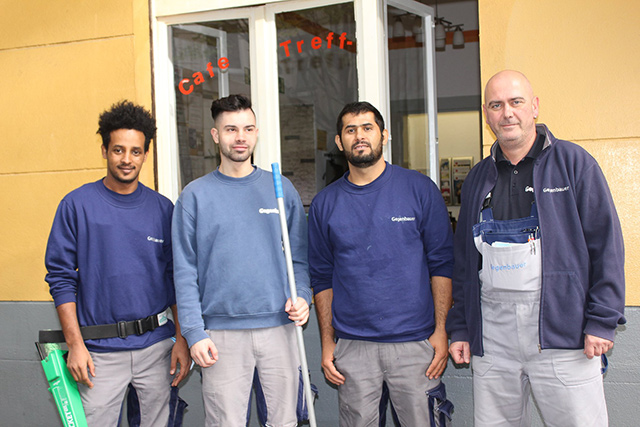
Gestern ein Meeting mit der Geschäftsführung, heute ein Treffen mit Azubis, morgen ein Gespräch mit den eLearning-Redakteuren von LinguaTV. Heike Streubel ist Integrationsbeauftragte bei der Firma Gegenbauer und treibende Kraft hinter der Entwicklung eines passenden Sprachtrainings für ausländische Mitarbeitende des Facility Management Anbieters. Keine leichte Aufgabe bei rund 20.000 Angestellten aus über 100 Nationen an über 40 Standorten in ganz Deutschland. Damit das neue Training zum Erfolg wird, steht Heike in regem Austausch mit sämtlichen direkt oder indirekt am Projekt beteiligten Stakeholdern. Welche Ziele sollen erreicht werden? Wie viel Arbeitszeit sollte für die Weiterbildung zur Verfügung stehen? Welche Erwartungen, aber auch Befürchtungen gibt es gegenüber dem neuen eLearning-Programm? Die Antworten auf diese und ähnliche Fragen fallen bei jedem ihrer Gesprächspartner etwas unterschiedlich aus. Am Ende wird sie es nicht allen recht machen können. Aber die Gespräche helfen ungemein, einen für alle tragbaren Kompromiss zu finden.
Entwicklung und inhaltliche Umsetzung des Trainings
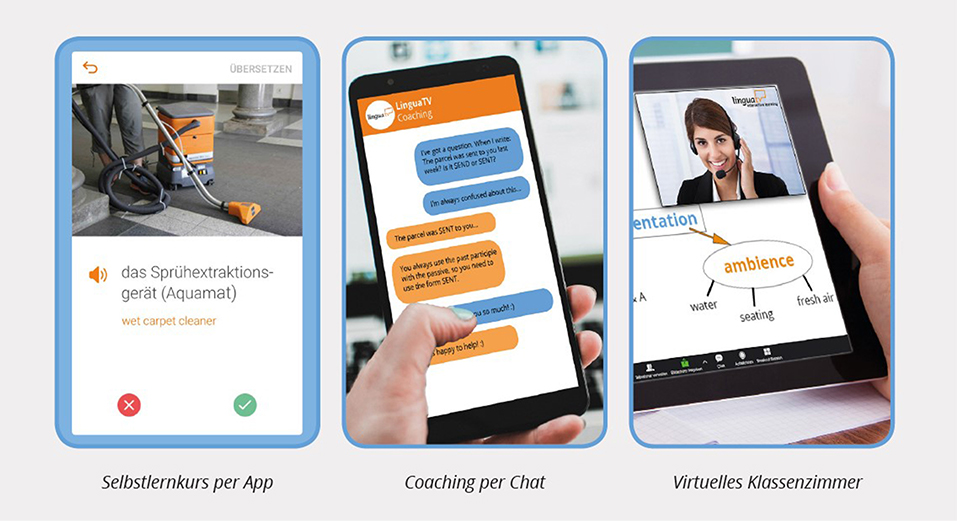
Das Konzept steht: Blended Learning mit Sprachlern-App und individueller Lernbetreuung (Mobile Coaching), sowie Unterricht im virtuellen Klassenzimmer für Auszubildende mit geringen Deutschkenntnissen. Doch die Gespräche werden nicht weniger. Nun, da es um die praktischen Inhalte des Trainings geht, steht Heike im intensiven Austausch mit den verschiedenen Lernergruppen innerhalb des Unternehmens, aber auch mit den eLearning Redakteuren des Sprachkursanbieters LinguaTV. Welche Inhalte werden im Bereich Gebäudereinigung benötigt? Welche im Bereich Auftragsmanagement? Und wie lassen sich diese am besten in das neue Sprachtraining integrieren? In enger Zusammenarbeit und auf der Basis der langjährigen Erfahrung einzelner Mitarbeiter entsteht so beispielsweise ein multimedialer Vokabeltrainer, welcher die tatsächlich relevanten und firmenspezifischen Inhalten im Bereich Gebäudereinigung behandelt.
Schrittweise Einführung und (Re-)Evaluation
Bevor das neue Training deutschlandweit ausgerollt wird, soll es erst einmal mit einer kleinen Pilotgruppe getestet werden. Die einzelnen Testkandidaten wurden von Heike Streubel gezielt ausgewählt und entsprechen in ihrer Zusammensetzung der großen Diversität innerhalb der Kollegschaft. Dabei sollen einige wichtige Fragen beantwortet werden. Wie etwa kommen ältere und weniger technologieaffine Teilnehmende mit der Sprach-App zurecht? Wie kann die Lernbegleitung weiter optimiert werden? Welche technischen, aber auch alltäglichen Hürden behindern den Lernerfolg? Und welche weiteren Inhalte oder Funktionen würden sich die Testkandidaten wünschen? Das Feedback der Pilotgruppe leistet schließlich einen wichtigen Beitrag zur Entwicklung einer optimalen Trainingslösung.
Doch auch nach dem Rollout sucht Heike Streubel weiter die Kommunikation und den regelmäßigen Austausch mit allen am Projekt Beteiligten. Einerseits sollten die Bemühungen der Lernenden mit genügend Anerkennung belohnt werden. Andererseits kann das Feedback der Mitarbeitenden zu einer weiteren Optimierung der Trainingslösungen führen. Im Falle der Firma Gegenbauer etwa, ergab sich aus dem Feedback der Teilnehmenden der Bedarf für ein spezielles Telefontraining mit technischem Schwerpunkt im Bereich Auftragsmanagement, welches schon kurze Zeit später für die betreffenden Mitarbeiter angeboten werden konnte.
Fazit:
Wie das Beispiel der Firma Gegenbauer zeigt, kann eine lebendige Feedback-Kultur in erheblichem Maße zur Akzeptanz und zum Erfolg eines Mitarbeitertrainings beitragen. Im besten Fall sollte der Austausch mit den beteiligten Stakeholdern bereits in der frühen Projektentwicklung begonnen und dann über sämtliche Phasen des Trainings fortgesetzt werden. Das erfolgreiche Sprachtraining bei der Firma Gegenbauer wurde mit dem eLearning AWARD 2020 ausgezeichnet.
Sie haben weitere Fragen?
Die Bildungsexperten von LinguaTV stehen Ihnen für eine kostenlose Beratung gerne zur Verfügung. Nutzen Sie dafür einfach unser Kontaktformular.