
Future Skills verändern die Personalarbeit
Welche Kompetenzen müssen Mitarbeitende in den nächsten Jahren mitbringen, damit ein Unternehmen zukunftsfähig bleibt? Und was bedeutet das für die Arbeit von HR-Profis? Die Bildunsgexperten von LinguaTV sind dieser Frage nachgegangen und haben die wichtigsten Empfehlungen für Recruiter und Personalentwickler zusammengefasst.

Was sind die “Future Skills”?
Unter Future Skills werden all jene Fähigkeiten verstanden, die in den nächsten fünf Jahren in den meisten Branchen und Bereichen des Berufslebens an Bedeutung gewinnen werden. Der Stifterverbandes der deutschen Wissenschaft unterteilt Future Skills in vier verschiedene Kategorien. Die technologischen Zukunftskompetenzen reichen von Softwareentwicklung und komplexer IT-Architektur über Data Analytics und Quantencomputing, bis hin zu Robotik und künstlicher Intelligenz. Diese werden hauptsächlich von Tech-Spezialisten ausgeführt, die das neueste Fachwissen gezielt einsetzen können.
Die drei anderen Kategorien umfassen dagegen veränderte Anforderungen, die alle Mitarbeitende betreffen. Dazu gehören digitale Schlüsselkompetenzen wie Digital Literacy, Digitales Lernen oder Agiles Arbeiten. Viele Klassische Kompetenzen werden in Zukunft eine noch wichtigere Rolle spielen. Das gilt zum Beispiel für lösungsorientiertes Denken, Kreativität und Eigeninitiative, aber auch für interkulturelle Kommunikation und Sprachkenntnisse. Als zusätzliche Kategorie führt der Stifterverband transformative Kompetenzen an, welche die großen gesellschaftlichen Herausforderungen angehen und lösen können. Dazu zählen beispielsweise Dialogfähigkeit und Innovationskompetenz, aber auch die Fähigkeit, viele Menschen für ein gemeinsames Ziel zu motivieren.
Auswirkungen auf das Recruiting
Da viele der Future Skills eher informelle Qualifikationen betreffen, werden Recruiter in Zukunft noch stärker auf digitale Kompetenzanalysen setzen. Den steigenden Anforderungen steht jedoch ein Mangel an Fachkräften gegenüber. Unternehmen werden deshalb deutlich mehr Ressourcen in die Personalarbeit und den War for Talents investieren müssen. Insbesondere kleine und mittlere Unternehmen werden sich anstrengen müssen, um im Wettkampf um die besten Fachkräfte mithalten zu können. Mit flexiblen Arbeitszeiten, Home Office, flachen Hierarchien und agilen Arbeitsmethoden können sie sich als attraktiver Arbeitgeber positionieren.
Trotzdem werden sich viele Stellen nicht so einfach besetzen lassen, insbesondere wenn es um technische Experten und spezialisierte Fachkräfte geht. Personaler werden also immer häufiger Kandidaten aus dem Ausland rekrutieren oder auf unterqualifizierte Bewerber zurückgreifen müssen. Um die fehlenden Kenntnisse auszugleichen, werden umfangreiche Onboarding Programme mit Sprachkursen oder fachlicher Nachqualifizierung in Zukunft eine noch wichtigere Rolle spielen.
Auswirkungen auf die Personalentwicklung
Die gestiegenen Anforderungen und der gleichzeitige Mangel an qualifizierten Bewerbern sorgen dafür, dass neben dem Onboarding auch interne Weiterbildungsprogramme in Zukunft immer wichtiger werden. Bereits jetzt planen viele Unternehmen mehr Zeit und Ressourcen in ihre Personalentwicklung zu investieren. Um Fach- und Führungskräfte aus den eigenen Reihen zu rekrutieren, ist es wichtig, geeignete Talente, sowie aktuelle und zukünftig auftretende Skill Gaps möglichst früh zu erkennen. Dies liegt auch im Interesse der Beschäftigten, die mehr denn je auf eine kontinuierliche Weiterbildung achten werden. Neben regelmäßigen Mitarbeitergesprächen können Talentmanager dabei auf digitale und KI-gestützte Tools zur Kompetenzanalyse zurückgreifen.
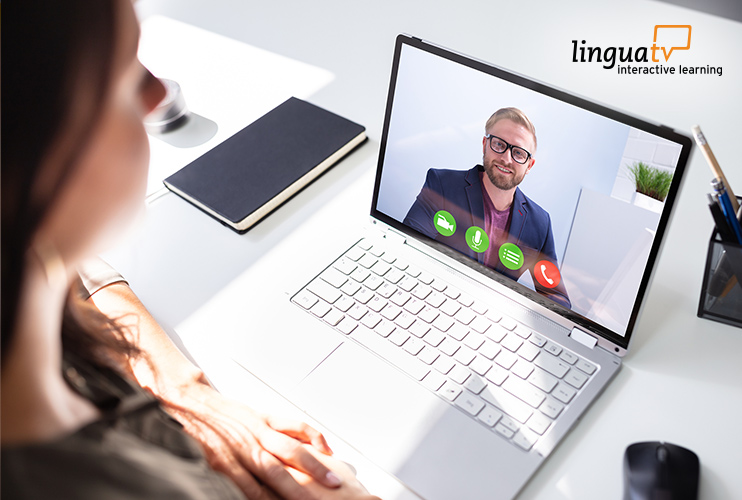
Die Personalentwicklung wird insgesamt wesentlich zielgenauer und systematischer arbeiten. Statt “Lernen auf Vorrat” werden vermehrt solche Trainingsmethoden zum Einsatz kommen, welche sich optimal an den individuellen Qualifizierungsbedarf des jeweiligen Mitarbeitenden anpassen lassen. Je nach Branche und Tätigkeit werden sich diejenigen Trainingsformate durchsetzen, die sich am einfachsten in den beruflichen Alltag integrieren lassen, also zum Beispiel mobiles Micro Learning, Webinare, oder flexibler Unterricht per Videokonferenz. Neben formalen Weiterbildungsmaßnahmen werden auch informelle Lernformen stärker an Bedeutung gewinnen, wie zum Beispiel Training-on-the-Job, Mentoring, interne Unternehmens-Wikis oder Lern-Communities. Parallel dazu dürften auch das Controlling und die Wirkungsanalyse von Bildungsmaßnahmen deutlich ausgeweitet und systematisiert werden.
Fazit
Das Future-Skills-Framework des Stifterverbandes liefert eine umfassende Prognose, welche Schlüsselkompetenzen in den nächsten Jahren an Bedeutung gewinnen werden. Die gestiegenen Anforderungen, sowie der gleichzeitige Mangel an qualifizierten Fachkräften werden Recruiter vor große Herausforderungen stellen und sorgen dafür, dass Unternehmen zukünftig mehr Zeit und Ressourcen in die Personalentwicklung investieren müssen. Neben einem systematischen Talent Management mit zielgenauer Weiterbildung der bestehenden Mitarbeiter, wird auch ein umfangreiches Onboarding-Angebot mit Sprachkursen oder fachlicher Nachqualifizierung in Zukunft eine noch wichtigere Rolle spielen.
Best-Practice-Tipp: Wie so etwas in der Praxis gelingen kann, zeigt das Sprachtraining für die Mitarbeitenden der Deutschen Post DHL. Dieses wurde bereits mehrfach ausgezeichnet, u.a. für das gelungene Onboarding-Konzept! Für weitere Informationen zu diesem Projekt stellen wir Ihnen gerne die komplette Projektbeschreibung als kostenloses Whitepaper zu Verfügung.
Sie haben weitere Fragen?
Die Bildungsexperten von LinguaTV stehen Ihnen für eine kostenlose Beratung gerne zur Verfügung. Nutzen Sie dafür einfach unser Kontaktformular.