
5 Tipps für den Einsatz von Videos im Corporate Learning
Beliebt, effektiv und vielseitig einsetzbar – das Video liegt im Ranking der Lernformate regelmäßig auf dem ersten Platz. Für den erfolgreichen Einsatz im Corporate Learning sollten jedoch ein paar Dinge beachtet werden. Das Team von LinguaTV entwickelt seit über 15 Jahren videobasierte Sprachtrainings und hat hier eine Checkliste mit den fünf wichtigsten Tipps zusammengestellt.
1. Die Wahl des passenden Video-Genres
Für den Einsatz von Videos im Corporate Learning steht eine schier unbegrenzte Auswahl an möglichen Formaten zur Verfügung. Diese lässt sich jedoch grob in drei Genres unterteilen – mit jeweils unterschiedlichen Einsatzmöglichkeiten. Bei den Lernenden besonders beliebt sind szenische Videos. Diese erzählen kleine Geschichten (Storytelling), verbinden Lerninhalte mit Emotionen und sorgen in der Regel für eine höhere Lernmotivation. Für manche Inhalte sind Erklärvideos besser geeignet. Mal mit sichtbarem Sprecher, mal mit Animationen, glänzen diese damit, auch komplizierte Inhalte verständlich zu vermitteln. Ein drittes Genre sind dokumentarische oder allgemein journalistische Inhalte. Im Rahmen des Sprachtrainings können diese beispielsweise dafür eingesetzt werden, um gezielt das Fachvokabular der Lernenden zu verbessern.
2. Attraktive und Zielgruppengerechte Inhalte
Damit das Video auch den gewünschten Effekt erzielt, sollten die Inhalte in ansprechender und zielgruppengerechter Form präsentiert werden. Gestaltung und Auswahl der Lerninhalte gilt es dabei möglichst optimal aufeinander abzustimmen. Um die Motivation der Lernenden aufrechtzuerhalten, sollte außerdem stets ersichtlich sein, warum die Lerninhalte des jeweiligen Videos für sie relevant sind. Im Rahmen des Sprachtrainings bietet es sich zum Beispiel an, mithilfe eines Einstufungstests, bzw. einer Bedarfsanalyse, zunächst die individuellen Anforderungen festzustellen, um dann auf dieser Basis ein optimales Training anbieten zu können. Für viele Bereiche sind Berufs- und Branchenspezifische Videos direkt verfügbar. In manchen Fällen bietet es sich jedoch an, neue firmenspezifische Videos zu produzieren. Dies lohnt sich insbesondere dann, wenn es sich um sehr spezielle Fähigkeiten handelt, oder diese einer großen Anzahl an Mitarbeitenden vermittelt werden soll.
3. Flexibler und Barrierefreier Zugang
Für den erfolgreichen Einsatz von Videos im Corporate Learning, sollten diese für die Lernenden möglichst einfach zugänglich sein. So bietet sich ein Zugang über den Browser hauptsächlich für Mitarbeitende mit eigenem PC-Arbeitsplatz an, während der Zugang per mobiler App eine wesentlich größere Flexibilität bietet. Für einen barrierefreien Zugang sollten die Videos außerdem mit Untertiteln versehen sein. Diese helfen nicht nur Gehörlosen, sie erleichtern auch Nicht-Muttersprachlern das Verständnis der Inhalte und können, falls nötig, zu einem späteren Zeitpunkt zusätzlich mit Übersetzungen in andere Sprachen ergänzt werden.
4. Für Mobile- und Microlearning optimiert
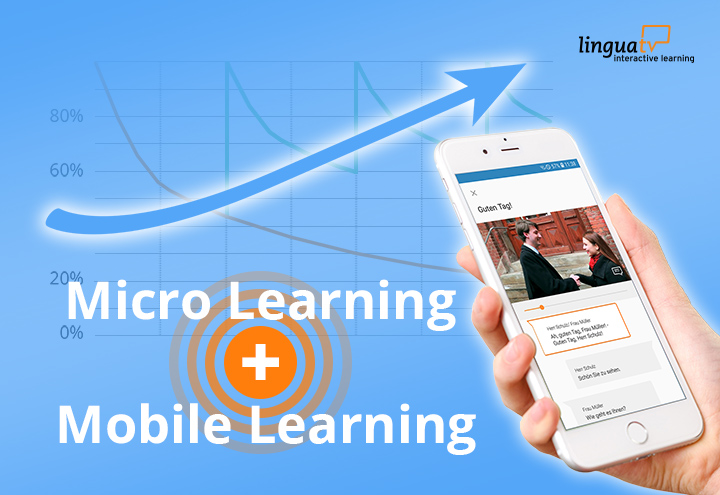
Besonders gute Lernerfolge lassen sich mit mobilem Microlearning erzielen. Dafür sollten die Videos eine maximale Länge von fünf Minuten nicht überschreiten. Außerdem sollten sie von Anfang an für die problemlose Nutzung mit dem Smartphone konzipiert sein, sodass beispielsweise alle relevanten Inhalte auch auf dem kleinen Bildschirm erkennbar sind. Ein weiteres wichtiges Kriterium ist die Dateigröße der Videos, um diese auch mit mobilen Daten optimal nutzen zu können. Im besten Fall gibt es innerhalb der App die Möglichkeit das jeweilige Video mit WLAN herunterzuladen, um es dann jederzeit offline nutzen zu können.
5. Einbindung in didaktisches Gesamtkonzept
Hochwertige Videos sind eine gute Grundlage für das Training im Unternehmen. Damit diese jedoch ihr volles Potenzial entfalten können, müssen die Videos in ein didaktisch-schlüssiges Gesamtkonzept eingebunden sein. LinguaTV hat diese Herausforderung in vielfältiger Weise gelöst. So ist jedes Video in eine Lektion mit verschiedenen interaktiven Aufgaben eingebettet: Ein Vokabeltrainer zur Vorbereitung des neuen Wortschatzes, diverse interaktive Aufgabentypen um das Verständnis zu überprüfen oder das Thema weiter zu vertiefen, sowie ein videobasierter Conversation Trainer. Dabei haben Lernende die Möglichkeit die Rolle eines Protagonisten aus dem Video zu übernehmen und nachzuspielen. Dank der KI-gestützten Technologie erhalten sie jeweils ein direktes Feedback zu ihrer Aussprache und können somit gezielt ihr aktives Sprechen trainieren. Die Videos werden jedoch nicht nur in den Selbstlernkursen eingesetzt. Im Rahmen des beliebten Blended Learning Konzeptes bieten sie darüber hinaus vielfältige Einsatzmöglichkeiten für den Unterricht im virtuellen Klassenzimmer.
Best-Practice-Tipp: Wie so etwas in der Praxis gelingen kann, zeigt das Sprachtraining für die Mitarbeitenden der Deutschen Post DHL. Dieses wurde bereits mehrfach ausgezeichnet, u.a. für den gelungenen Einsatz von Video im mobilen Microlearning! Für weitere Informationen zu diesem Projekt stellen wir Ihnen gerne die komplette Projektbeschreibung als kostenloses Whitepaper zu Verfügung.
Sie haben weitere Fragen?
Die Bildungsexperten von LinguaTV stehen Ihnen für eine kostenlose Beratung gerne zur Verfügung. Nutzen Sie dafür einfach unser Kontaktformular.