
KI im Corporate Learning: Vorteile und Einschränkungen
Spätestens seit ChatGPT ist es das Trendthema schlechthin! Künstliche Intelligenz (KI) hat das Potenzial, die Art und Weise zu revolutionieren, wie Unternehmen ihre Mitarbeitenden weiterbilden. Neben vielen Vorteilen sollten beim Einsatz von KI im Corporate Learning jedoch ein paar grundsätzliche Einschränkungen beachtet werden. Wir haben die wichtigsten Punkte für Sie zusammengefasst.
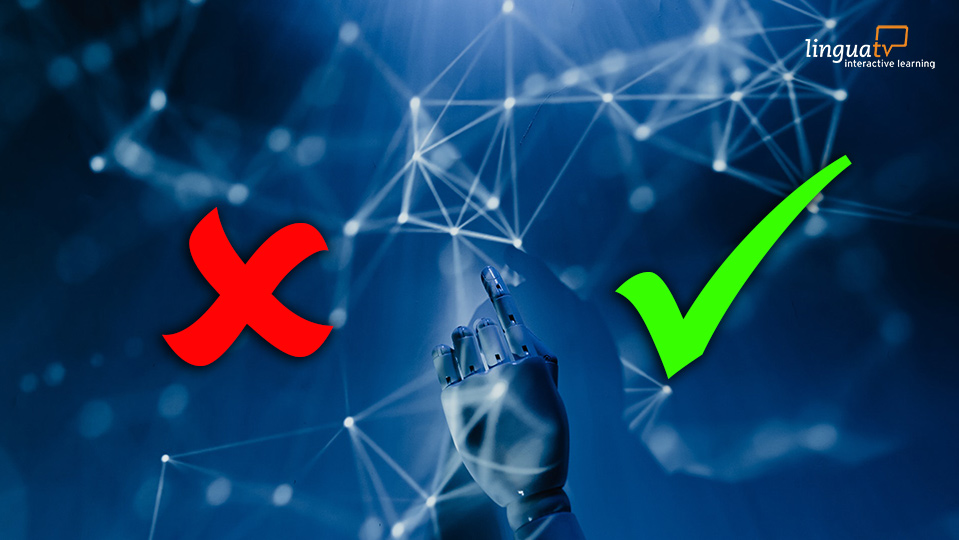
Die KI bietet einige Vorteile:
1. Höhere Produktivität: KI-gestützte Tools können viele zeitaufwendige Aufgaben übernehmen oder bei deren Umsetzung helfen. Mögliche Einsatzgebiete sind in der Verwaltung, im Support oder bei einfachen Content-Produktionen. Ein bekanntes Beispiel ist der Einsatz von Chatbots als First-Level-Support, welche schnell, günstig und zu jeder Uhrzeit für Kunden- oder Lerner-Anfragen verfügbar sind.
2. Personalisiertes Lernen: Die KI kann Lerninhalte auf die Bedürfnisse und das individuelle Wissensniveau jedes Mitarbeiters zuschneiden. Mithilfe von Datenanalyse kann die KI den Lernfortschritt überwachen und personalisierte Empfehlungen für den nächsten Lernschritt geben. Dies ermöglicht ein individuelles Lernerlebnis, das zu höherem Engagement und besserem Verständnis führt.
3. Intelligentere Analysen: Die KI kann riesige Mengen an Daten analysieren und Muster erkennen, die dem menschlichem Auge entgehen würden. Unternehmen können diese Daten nutzen, um Erkenntnisse über die Wirksamkeit von Schulungsprogrammen zu gewinnen und aktuelle oder zukünftige Qualifizierungslücken zu erkennen. Das ermöglicht eine kontinuierliche Verbesserung der Lerninhalte und -methoden auf Grundlage objektiver Daten.
4. Geringere Kosten: Traditionelle Schulungsprogramme können kostspielig sein, sowohl in Bezug auf Materialien als auch auf die benötigte Arbeitszeit. KI-gestützte Lernplattformen können dazu beitragen, diese Kosten zu senken, indem sie den Schulungsprozess automatisieren und die Notwendigkeit physischer Ressourcen reduzieren. Dies ist besonders relevant in großen oder sogar globalen Unternehmen, in denen Schulungen für Mitarbeitende an verschiedenen Standorten zugänglich sein müssen.

Diese Einschränkungen sollten jedoch beachtet werden:
1. Ethische Aspekte: KI-basiertes Lernen wirft ethische Fragen auf, insbesondere in Bezug auf Datenschutz und Privatsphäre der Mitarbeitenden. Die Sammlung und Analyse von Lernverhaltensdaten kann als Eindringen in persönliche Informationen empfunden werden. Unternehmen müssen sicherstellen, dass die Nutzung von KI im Einklang mit ethischen Standards erfolgt und die Privatsphäre der Mitarbeitenden respektiert wird.
2. Rechtliche Risiken & Verantwortlichkeit: Bei der Nutzung von KI im Corporate Learning besteht die Gefahr rechtlicher Konflikte. Dies gilt für Fragen der Urheberrechte bei von der KI erstellten Inhalten, aber auch im Zusammenhang mit Diskriminierung und Fairness. Wenn KI-Algorithmen ungleiche Lernchancen schaffen oder Entscheidungen auf unfaire Weise beeinflussen, könnten Unternehmen rechtliche Konsequenzen und Reputationsschäden erleiden. Hier ist es wichtig, klare Verantwortlichkeiten festzulegen und menschliche Aufsicht beizubehalten.
3. Technische Einschränkungen: KI ist immer noch anfällig für Fehler und Inkonsistenzen, insbesondere wenn die zugrunde liegenden Algorithmen nicht ausreichend verfeinert sind oder wenn die Daten, auf denen sie basieren, von geringer Qualität sind. Mangelnde Genauigkeit könnte dazu führen, dass Mitarbeitende falsche Informationen erhalten oder falsche Schlussfolgerungen ziehen. Für eine effektive Wartung und Nutzung von KI-Tools wird zudem häufig technisches Fachwissen oder zumindest eine spezielle Schulung benötigt.
4. Die menschliche Komponente: Die KI kann menschliche L&D-Experten und zwischenmenschliche Interaktion niemals vollständig ersetzen, sondern sollte eher als Unterstützung angesehen werden. Zum Beispiel besteht ein wichtiger Teil des Lernprozesses häufig darin, mit Kollegen zu interagieren, Fragen zu stellen und gemeinsam Probleme zu lösen. Der soziale Aspekt des Lernens könnte leiden, wenn KI-gestützte Systeme den menschlichen Kontakt minimieren.
Fazit
Insgesamt bietet KI viele Vorteile für das Lernen in Unternehmen, darunter höhere Produktivität, personalisierte Lernerfahrungen, intelligentere Datenanalysen und Kosteneinsparungen. Unternehmen müssen jedoch ethische, rechtliche und technische Herausforderungen berücksichtigen und sicherstellen, dass die menschliche Komponente des Lernens nicht vernachlässigt wird. Eine ausgewogene Kombination von KI und menschlichem Know-how kann die Wirksamkeit von Schulungsprogrammen erheblich steigern und gleichzeitig potenzielle Risiken minimieren.
KI im Sprachtraining: Wie so etwas in der Praxis gelingen kann, zeigt das Sprachtraining für die Mitarbeitenden der Deutschen Post DHL. Dieses wurde bereits mehrfach ausgezeichnet, u.a. für den KI-gestützten Conversation Trainer mit firmenspezifischen Lerninhalten! Für weitere Informationen zu diesem Projekt stellen wir Ihnen gerne die komplette Projektbeschreibung als kostenloses Whitepaper zur Verfügung.
Sie haben weitere Fragen?
Die Bildungsexperten von LinguaTV stehen Ihnen für eine kostenlose Beratung gerne zur Verfügung. Nutzen Sie dafür einfach unser Kontaktformular.