
5 Tipps für den Einsatz von Gamification im Corporate Learning
Durch den Einsatz spielerischer Elemente wird das Mitarbeiter-Training nicht nur unterhaltsamer, sondern auch deutlich effektiver. Bei der Umsetzung gibt es jedoch ein paar wichtige Punkte zu beachten.
“Lernen soll Spaß machen!” Nach diesem Motto entwickelt das Team von LinguaTV seine digitalen Sprachkurse. Neben Videos mit Storytelling-Elementen, spielt Gamification dabei seit jeher eine wichtige Rolle. Denn durch den Einsatz spielerischer Elemente lassen sich Motivation, Engagement und Lernerfolge deutlich verbessern. Was es bei der Umsetzung zu beachten gibt, haben die Berliner Sprachlern-Experten in fünf Best-Practice-Tipps zusammengefasst.
1. Klare Lernziele definieren:
Bereits im Vorfeld ist es wichtig, klare und spezifische Lernziele zu setzen. Welche Fähigkeiten oder Kenntnisse sollen die Mitarbeitenden entwickeln? Und innerhalb welcher Zeit soll dies erreicht werden? Gamification sollte darauf ausgerichtet sein, das Erreichen dieser Ziele zu unterstützen. Klare Kriterien für den Lernerfolg helfen dabei, eine optimale Trainingslösung zu erstellen und den Fortschritt der Mitarbeitenden zu verfolgen.
2. Passende Spielmechaniken wählen:
Die Spielmechaniken sollten so ausgewählt werden, dass sie zur Unterstützung der definierten Lernziele passen. Belohnungssysteme, Fortschrittsanzeiger, Ranglisten, Badges oder Herausforderungen können motivierend wirken. Allerdings ist es wichtig, diese Elemente sinnvoll und nicht rein oberflächlich einzusetzen. Die Gamification-Elemente sollten das Lernen auch wirklich fördern und nicht davon ablenken oder als reine Belohnung wirken.
3. Anpassung an die Zielgruppe:
Spezifische Bedürfnisse und Vorlieben der Lernenden sollten bei der Gestaltung gamifizierter Lerninhalte unbedingt berücksichtigt werden. Verschiedene Altersgruppen oder Abteilungen haben unterschiedliche Präferenzen und Fähigkeiten. Einige bevorzugen Wettbewerbe und Herausforderungen, während andere von Kooperation und Teamarbeit profitieren. Eine flexible und anpassungsfähige Gamification-Strategie kann dazu beitragen, die Akzeptanz und Beteiligung zu steigern.
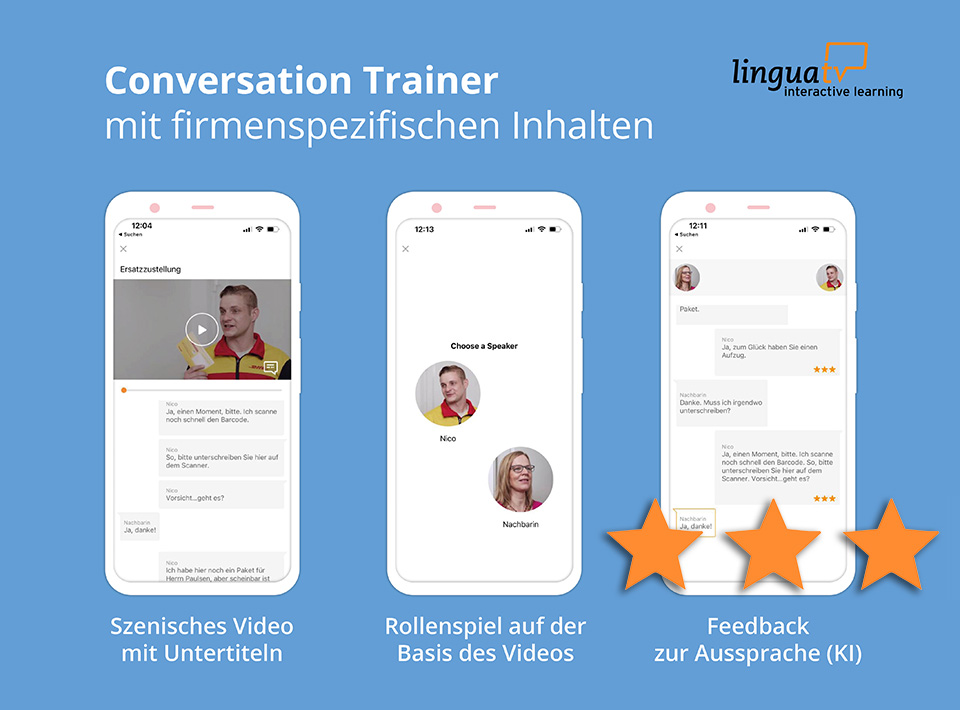
4. Feedback und Verbesserungsmöglichkeiten bieten:
Qualifiziertes Feedback hilft den Lernenden dabei, ihre Leistung zu verbessern. Durch regelmäßige Rückmeldungen, sei es von Trainern, Kollegen oder durch die Gamification-Plattform selbst, können die Mitarbeitenden ihr Wissen vertiefen und motiviert bleiben. Gleichzeitig sollten auch die Lernenden selbst nach Vorschlägen zur Verbesserung der gamifizierten Lernprozesse gefragt werden. Das gegenseitige Feedback trägt zu einer kontinuierlichen Optimierung und langfristig zu einer deutlich höheren Effektivität bei.
5. Integration in den Arbeitsalltag:
Damit Gamification im Corporate Learning erfolgreich funktioniert, sollte sie nahtlos in den Arbeitsalltag integriert werden. Die Lernaktivitäten sollten die täglichen Arbeitsabläufe nicht stören, sondern ergänzen. Mobile Anwendungen oder kurze, gezielte Lerneinheiten (Micro Learning), zum Beispiel während den Pausen, ermöglichen es, die Mitarbeitenden aktiv einzubeziehen, ohne ihre Arbeitszeit stark zu beanspruchen. Eine gute Integration fördert außerdem die direkte Anwendung des Gelernten in der Praxis.
Fazit:
Der Einsatz von Gamification im Corporate Learning ist ein probates Mittel, um die Motivation und Lernbereitschaft der Mitarbeitenden zu erhöhen und die Effektivität der Lernprozesse zu verbessern. Durch sorgfältige Planung, Anpassung an die Zielgruppe, klare Ziele, konstruktives Feedback und die Integration in den Arbeitsalltag können Unternehmen die Vorteile der Gamification bestmöglich nutzen. Besonders gut gelingt dies durch den Einsatz von mobilem Micro Learning. Kombiniert mit Videos und Storytelling-Elementen hat sich diese Methode in der Praxis bestens bewährt.
Zur weiteren Lektüre empfehlen wir Ihnen unser kostenloses Whitepaper: Sprachtraining bei der Deutschen Post DHL.
Werfen Sie gerne auch einen Blick auf unsere aktuellen Veranstaltungen und kostenlose Webinare zum Thema Corporate Learning.
Für weitere Informationen und eine kostenlose Beratung zum Thema “Digitales Sprachtraining” stehen Ihnen die Bildungsexperten von LinguaTV gerne zur Verfügung.