
In eine neue Sprache eintauchen
Immersives Lernen bietet spannende Möglichkeiten für den Erwerb einer neuen Sprache und ist auch für das Corporate Learning bestens geeignet. Bei der Umsetzung gibt es jedoch ein paar wichtige Punkte zu beachten.
Immersives Lernen beruht auf dem Prinzip, dass Sprache am besten in ihrem natürlichen Kontext erworben werden kann. Anstelle von isolierten Vokabeln und starren Grammatikregeln steht der kontinuierliche Kontakt mit authentischem Sprachgebrauch im Vordergrund. Diese Lernmethode orientiert sich an der Art und Weise, wie Muttersprachen ohne formellen Unterricht erlernt werden – durch Hören, Nachahmen und den spontanen Gebrauch in alltäglichen Situationen. Der Ansatz fördert eine tiefgreifende Verarbeitung, indem das Gehirn sprachliche Strukturen mit realen Lebenssituationen verknüpft. So werden nicht nur theoretische Kenntnisse aufgebaut, sondern auch praktische Fertigkeiten trainiert, die den direkten Transfer in den Alltag erleichtern. Eine besondere Stärke des immersiven Lernens besteht darin, das Sprachgefühl und den intuitiven Sprachgebrauch zu stärken.

Eintauchen? Ja! (aber bitte nicht untergehen)
Das Eintauchen in eine neue Sprache eröffnet vielfältige Möglichkeiten, um den Lernprozess spannend und praxisnah zu gestalten. Filme, Serien und Podcasts in der Lernsprache bieten einen unmittelbaren Zugang zu den natürlichen Sprachrhythmen und unterschiedlichen Akzenten. Die visuelle Untermalung und lebendige Darstellung helfen dabei, die Emotionen und kulturellen Besonderheiten einer Sprache zu verstehen. Durch das Lesen von Büchern, Magazinen oder Online-Artikeln wird zudem das Sprachverständnis geschärft und der Wortschatz kontinuierlich erweitert.
Ein weiteres effektives Mittel ist das Anpassen alltäglicher Gewohnheiten an die neue Sprache. So können beispielsweise digitale Geräte auf die Zielsprache umgestellt, Einkaufslisten oder Notizen in der Fremdsprache verfasst werden. Musik und Hörbücher bieten zusätzliche Möglichkeiten, das Gehör zu schulen und den Sprachfluss zu verinnerlichen. Gespräche mit Muttersprachlern, sei es im Rahmen von Tandempartnerschaften oder durch den Besuch kultureller Veranstaltungen, fördern den aktiven Sprachausdruck und bieten gleichzeitig wertvolles Feedback.
Gleichzeitig birgt der umfassende Sprachkontakt aber auch große Herausforderungen. Ohne eine strukturierte Vorgehensweise kann die Flut an neuen Informationen schnell überwältigen. Das spontane Eintauchen in authentische Sprachsituationen erfordert ein hohes Maß an Selbstorganisation und Durchhaltevermögen. Ohne didaktisch optimierten Lernpfad besteht die Gefahr, dass einzelne Aspekte zwar verstanden, jedoch nicht systematisch gefestigt werden. Daher ist es empfehlenswert, einen strukturierten und praxisbezogenen Lernansatz zu verfolgen, der gezielte Betreuung und regelmäßige Erfolgskontrollen beinhaltet. Die Kombination aus freier Immersion und systematischen Übungen stellt sicher, dass neue Sprachkenntnisse nachhaltig vertieft werden.
Das bieten immersive Online-Sprachkurse
Moderne Online-Sprachkurse nutzen digitale Technologien, um immersives Lernen in strukturierte und flexible Lernformate zu überführen. Ein zentrales Element sind szenische Videos mit hohem Praxisbezug und Untertiteln. Diese Videos simulieren authentische Gesprächssituationen, in denen typische Alltagsszenarien realistisch dargestellt werden – von alltäglichen Begegnungen bis hin zu beruflichen Interaktionen. Die visuelle Darstellung und die Untertitelung erleichtern das Erfassen von Details und fördern das Hörverständnis.
Ergänzt werden diese Inhalte durch interaktive Übungen, die es ermöglichen, das Erlernte direkt anzuwenden. Mit Hilfe von Quizzen, Lückentexten und Dialogsimulationen wird nicht nur das Wissen abgefragt, sondern auch die aktive Sprachproduktion gefördert. Die Integration von Gamification-Elementen, wie Punktesystemen, Ranglisten und Belohnungen, steigert die Motivation zusätzlich und sorgt für ein anhaltendes Engagement. Diese spielerischen Komponenten ermöglichen es, Lernfortschritte in kleinen, greifbaren Schritten zu messen, zu vertiefen und nachhaltig zu festigen.
Mithilfe von Künstlicher Intelligenz kann das aktive Sprechen noch immersiver gestaltet werden. Voicebots und andere KI-gestützte Konversationstrainer simulieren realistische Dialoge, geben unmittelbares Feedback zur Aussprache und fördern so den natürlichen Sprachfluss. Durch die Analyse individueller Fehler und Schwächen lassen sich personalisierte Übungsprogramme erstellen, die gezielt an den Bedürfnissen des Lernenden ansetzen.
Dank Mobile- und Micro Learning-Ansätzen wird immersives Lernen flexibel in den Alltag integriert. Kurze Lerneinheiten, die jederzeit und überall abgerufen werden können, bieten eine Alternative zu traditionellen Präsenzkursen. Diese Flexibilität ermöglicht es, Sprachtraining auch in einen vollen Terminkalender einzubauen, ohne den Lernfortschritt zu gefährden. Virtuelle Realität (VR) und Augmented Reality (AR) erweitern das Spektrum der Lernmethoden noch weiter, indem sie digitale Welten erschaffen, in denen typische Kommunikationssituationen spielerisch nachgestellt werden können.
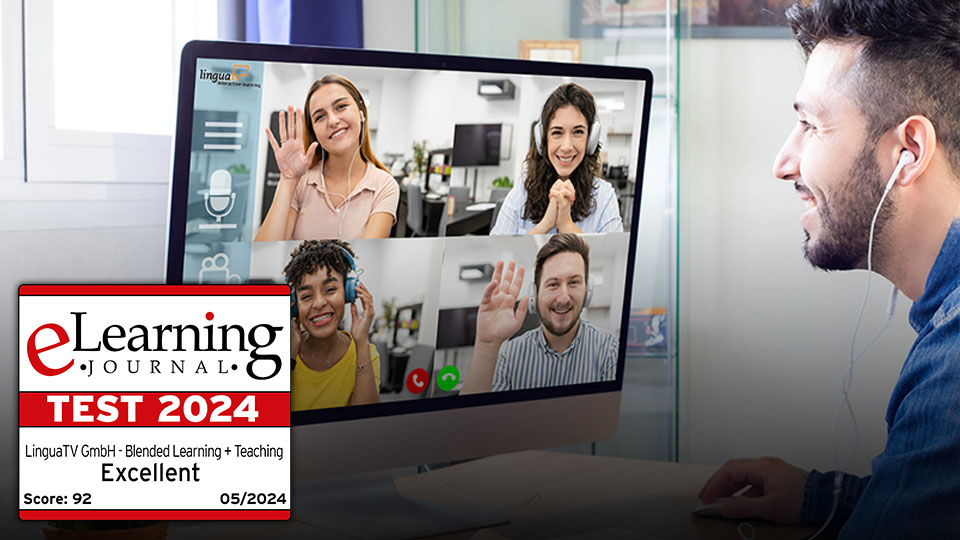
Im virtuellen Klassenzimmer kommen moderne Coachingmethoden wie Rollenspiele zum Einsatz, die gezielt typische Situationen aus dem beruflichen Alltag üben. Ob in Meetings, bei Präsentationen oder in Verhandlungssituationen – das gezielte Üben in simulierten Umgebungen bereitet optimal auf reale Anforderungen vor. Durch den Einsatz von Live-Tutoren und interaktiven Gruppenübungen entsteht ein Lernklima, das sowohl individuell als auch kollegial unterstützt. Diese Kombination aus theoretischem Input und praktischer Anwendung fördert nicht nur die Sprachkompetenz, sondern auch das Selbstvertrauen im Umgang mit der neuen Sprache.
Fazit
Immersives Lernen bietet vielfältige Möglichkeiten, um eine neue Sprache authentisch und nachhaltig zu erlernen. Die direkte Einbindung in den Alltag durch Filme, Musik, digitale Geräte und echte Gespräche fördert das intuitive Sprachgefühl, birgt jedoch auch das Risiko, aufgrund der Informationsfülle überfordert zu werden. Daher erweist sich die Kombination aus alltäglicher Immersion und strukturierten Online-Sprachkursen mit immersiven Elementen als besonders effektiv. Die modernen Kurse bieten durch szenische Videos, interaktive Übungen, Gamification, KI-gestützte Konversationstrainer, Mobile- und Micro Learning, VR/AR sowie virtuelle Klassenzimmer mit praxisorientierten Coachingmethoden einen optimalen Rahmen für den systematischen Lernfortschritt. Diese integrierte Herangehensweise sorgt für einen unmittelbaren Praxisbezug und fördert die nachhaltige Verankerung der Sprachkenntnisse – eine ideale Voraussetzung, um in die neue Sprache vollständig einzutauchen und diese erfolgreich im beruflichen sowie privaten Alltag anzuwenden.
Sie haben weitere Fragen?
Die Bildungsexperten von LinguaTV stehen Ihnen für eine kostenlose Beratung gerne zur Verfügung. Nutzen Sie dafür einfach unser Kontaktformular. Für weitere Informationen zum Thema Digitales Sprachtraining empfehlen wir Ihnen auch unsere kostenlosen Whitepaper und Webinare.