
Sprach-Coaching: Menschlicher Tutor oder Künstliche Intelligenz?
KI-gestütztes Sprach-Coaching bietet spannende neue Möglichkeiten für das Fremdsprachentraining. Welche Vorteile bietet die Künstliche Intelligenz, und wann sollte man doch besser auf einen menschlichen Tutor zurückgreifen? Wir haben die wichtigsten Punkte hier für Sie zusammengefasst.
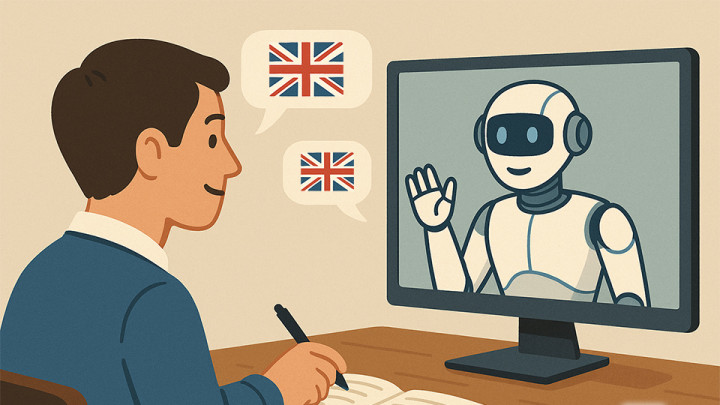
Coaching-Methoden für das Sprachtraining
Während im traditionellen Fremdsprachenunterricht oft Grammatikregeln, Vokabellisten und standardisierte Übungen im Mittelpunkt stehen, setzt Sprach-Coaching auf einen stärker individualisierten und zielorientierten Ansatz. Hier geht es nicht nur um das Erlernen einer Sprache, sondern auch um den Abbau von Sprechängsten, den Aufbau von Sprachbewusstsein und die Entwicklung einer authentischen Kommunikation. Ein Sprach-Coach kann auf die individuellen Schwächen eingehen und dabei helfen, diese zu überwinden. Er oder sie arbeitet nicht nur an sprachlichen Fertigkeiten, sondern auch an mentalen Blockaden, Motivation und Selbstvertrauen. Oft stehen dabei spezifische Ziele im Vordergrund – etwa die Vorbereitung auf Präsentationen, Bewerbungsgespräche oder internationale Meetings. Ein intensives Sprach-Coaching ist besonders für fortgeschrittene Lernende oder Berufstätige geeignet, die ihre Fremdsprachenkenntnisse praxisnah, effizient und individuell verbessern möchten.
Sprach-Coaching mit menschlichem Tutor
Sprach-Coaching findet häufig im virtuellen Klassenzimmer statt und lässt sich dabei optimal in ein Blended Learning Konzept integrieren. Der Vorteil: Um die wertvolle Zeit mit dem Sprachtrainer optimal nutzen zu können, werden neue Lerninhalte hauptsächlich in den Selbstlernphasen mit Hilfe von eLearning-Kursen vermittelt. In den Live-Sitzungen mit dem Sprachtrainer steht dann das aktive Sprechen und Coaching im Mittelpunkt. Mithilfe von Rollenspielen können die Lernenden gezielt auf typische Situationen in ihrem Berufsalltag vorbereitet werden, zum Beispiel Meetings, Verhandlungen oder Kundengespräche. Die Auswertung der Selbstlernphasen unterstützt den Lehrer dabei, die Lernfortschritte zu erkennen und das Training präzise auf die individuellen Stärken und Schwächen des Lerners anzupassen.
Eine weitere Form des Sprach-Coachings ist die persönliche Lernbetreuung. Dabei stehen die Lernenden in regelmäßigem Austausch mit einem Tutor, welcher bei der Erstellung einer persönlichen Lernstrategie hilft, den Lernfortschritt sicherstellt und individuelle Fragen beantwortet. Diese Lernbetreuung findet meist online statt und ist in vielen Fällen eine sinnvolle Ergänzung zu reinen Selbstlernkursen. Sie ist leicht skalierbar, relativ kostengünstig und besonders für Anfänger oder weniger selbstständige Lerngruppen geeignet.
Die KI als Tutor und Gesprächspartner
Künstliche Intelligenz bietet die Möglichkeit, zahlreiche Elemente des Sprach-Coachings rund um die Uhr und in beliebiger Skalierung zur Verfügung zu stellen. AI-Voicebots, wahlweise unterstützt durch animierte Avatare oder rein sprachbasiert, ermöglichen Live-Konversationen jederzeit und überall. Dank fortschrittlicher Spracherkennung werden Eingaben analysiert, Rückfragen gestellt und thematische Dialoge simuliert. Die Trainingsszenarien reichen dabei von einfachem Small Talk, über Gespräche in der Kundenberatung, bis hin zu Business-Meetings und Verhandlungen: Voicebots passen sich dem Niveau des Lernenden an und reagieren spontan auf unerwartete Gesprächsinhalte.
Ergänzend fungiert die KI als automatisierte Lernbegleitung in Selbstlernkursen. Als jederzeit verfügbarer Lerntutor beantwortet die KI individuelle Fragen zur Grammatik oder erläutert detaillierte Bedeutungsnuancen. Adaptive Algorithmen analysieren Lerndaten, identifizieren Muster in Fehlern und geben individuelle Tipps zur Verbesserung, während Fortschritte in Dashboards visualisiert werden. Lernpfade können dynamisch an die individuelle Lernentwicklung angepasst werden. Diese Technologie ermöglicht eine personalisierte Betreuung ohne zeitliche Begrenzung und reduziert die Notwendigkeit für ständige Betreuung durch menschliche Tutoren.
Trotz aller Vorteile bleiben Einschränkungen bestehen. So können beispielsweise emotionale Intelligenz und feine nonverbale Signale von der KI nicht vollständig erfasst werden. Motivationsprobleme und psychologische Barrieren bleiben oft verborgen, da stimmliche oder mimische Hinweise unzureichend interpretiert werden. Auch Ironie, kulturelle Anspielungen und humoristische Nuancen können gelegentlich zu Missverständnissen führen. Darüber hinaus sind Datenschutz und ethische Aspekte bei der Analyse persönlicher Lerndaten sorgfältig zu berücksichtigen.
Fazit:
Bei der Abwägung zwischen KI oder menschlichem Tutor ergeben sich je nach Einsatzszenarien klare Vor- und Nachteile. Intensiver individueller Unterricht im virtuellen Klassenzimmer bietet persönliche Nähe, direkte Korrektur und psychologische Sicherheit. Die Kombination aus Selbstlernkursen mit Online-Lernbetreuung ist kostengünstiger und leichter skalierbar. KI-gestütztes Sprach-Coaching ist praktisch unbegrenzt skalierbar. Es steht jederzeit und überall zur Verfügung, um individuelle Fragen zu beantworten oder Live-Konversationen zu führen. Emotionale Dimensionen bleiben dabei jedoch reduziert, und kulturelle Feinheiten werden nicht immer fehlerfrei erkannt.
Eine besonders effektive Lösung liegt in der Kombination von menschlichem Tutor und KI in einem Blended-Learning-Konzept. Routineaufgaben wie Fragen zur Grammatik und Aussprache oder Rollenspiele können von der KI übernommen werden, während der menschliche Tutor sich auf kreative Impulse, kulturelle Nuancen und motivationale Aspekte konzentriert. Live-Konversationen mit Voicebots erhöhen die Übungsintensität, während persönliche Coaching-Termine für emotionale und kulturelle Tiefe sorgen. Auf diese Weise lassen sich Sprachlernende bestmöglich fördern, indem Effizienz, Skalierbarkeit und Empathie harmonisch zusammenwirken. So entsteht ein zukunftsweisendes Trainingskonzept, das nachhaltige Lernerfolge sicherstellt.
Sie haben weitere Fragen?
Die Bildungsexperten von LinguaTV stehen Ihnen für eine kostenlose Beratung gerne zur Verfügung. Nutzen Sie dafür einfach unser Kontaktformular. Für weitere Informationen zum Thema Digitales Sprachtraining empfehlen wir Ihnen auch unsere kostenlosen Whitepaper und Webinare.