
Sprachtraining im virtuellen Klassenzimmer: Ein Erfahrungsbericht von der Ruhr-Universität Bochum
Weltweit stehen Unternehmen und Bildungsinstitutionen wie Sprachschulen und Universitäten gerade vor dem gleichen Problem: Um das Ansteckungsrisiko zu minimieren, darf der traditionelle Präsenzunterricht vor Ort entweder gar nicht, oder nur unter strengen Sicherheitsvorkehrungen durchgeführt werden. Als Alternative bietet sich nun der Unterricht im virtuellen Klassenzimmer und eLearning an. Doch was gilt es bei der Umstellung zu beachten? Wie lässt sich das Sprachtraining in der aktuellen Situation besonders effektiv gestalten?
Präsenzkurse ersetzt – Studienvorbereitung gesichert
Mit dem Programm Integra-12 bietet die Ruhr-Universität Bochum (RUB) eine intensive, mehrwöchige Vorbereitung auf das Studium an – darunter kostenlose Deutschkurse für Interessenten mit Migrationshintergrund. Aufgrund der akuten Ansteckungsgefahr konnten diese im aktuellen Semester nicht wie gewohnt im Präsenzunterricht stattfinden. Die Konsequenz: Wertvolle Vorbereitungszeit würde versäumt und der Einstieg ins Studium verpasst werden. Um den ca. 150 Betroffenen trotzdem eine Studienvorbereitung zu ermöglichen, hat die RUB mit Hilfe von LinguaTV innerhalb kürzester Zeit den Unterricht ins virtuelle Klassenzimmer verlegt.
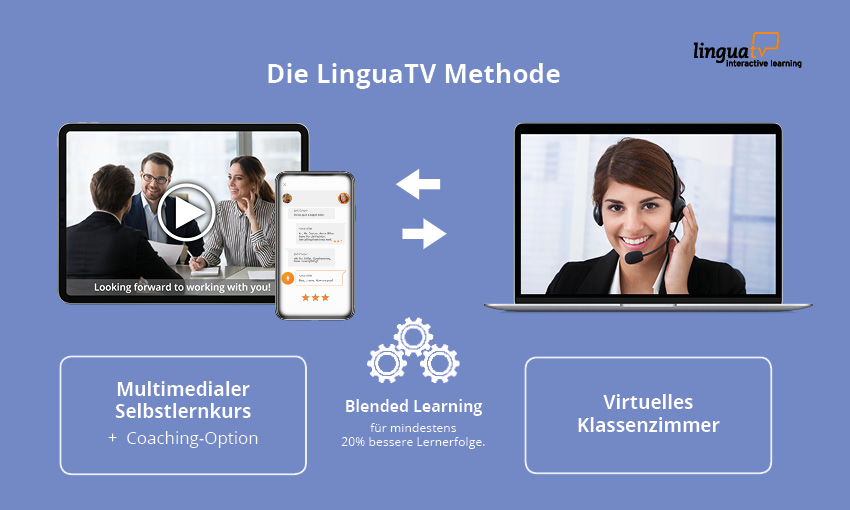
Der Unterricht wird nach der bewährten LinguaTV-Methode in Form von Blended Learning durchgeführt. Die Einheiten im virtuellen Klassenzimmer sind dabei eng mit den Inhalten der LinguaTV Selbstlernkurse verzahnt. So setzen die Lehrkräfte beispielsweise die szenischen Videos im Unterricht ein und “delegieren” die Nachbereitung z.B. in Form von interaktiven Übungen und Lernspielen in der LinguaTV-App. Das Erlernen neuer Vokabeln oder Grammatik-Themen kann im Sinne von “flipped classroom” auch vor dem Live-Unterricht in der Selbstlernphase stattfinden. Somit bleibt während des Unterrichts mehr Zeit, um auf Fragen einzugehen oder das aktive Sprechen zu trainieren, z.B. in Form von Rollenspielen, die an das jeweilige Video anknüpfen. Die automatische Lernanalyse, bietet den Lehrenden außerdem die Möglichkeit, Stärken und Schwächen der Kursteilnehmenden besser zu erkennen und den Unterricht entsprechend anzupassen.
Vorteile digitaler Bildungsangebote offensichtlich
Nach inzwischen mehr als drei Monaten Unterricht gibt es positives Feedback von allen Beteiligten. Nicht nur, dass die Deutschkurse nun doch stattfinden, die Teilnehmer sparen sich auch noch bis zu sechs Stunden Fahrzeit pro Woche, denn viele wohnen nicht direkt in Bochum, sondern über das ganze Ruhrgebiet verteilt. Die Lehrkräfte können trotz Pandemie Ihre Lehrtätigkeit ausüben und Ihren Lebensunterhalt verdienen. Besonderes Lob gab es außerdem für die LinguaTV-App, welche es auch den Lernenden ohne eigenen PC/Laptop ermöglicht, die Selbstlernkurse direkt auf ihren Smartphones zu absolvieren.
Erfolgreiche Initiative #KeepTeaching
Dem guten und erfolgreichen Beispiel sind bereits weitere Schulen und Universitäten gefolgt. LinguaTV-Geschäftsführer Philip Gienandt schließt daraus: „Die corona-bedingte Bereitschaft alternative Lehr- und Lernformate auszuprobieren ist groß. Sowohl Lehrkräfte als auch Lernende haben die vielen Vorteile digitaler Bildungsangebote erkannt. Als Folge sehen wir eine stark steigende Nachfrage.“ LinguaTV unterstützt bereits seit mehreren Jahren traditionelle Bildungsinstitutionen wie das Goethe Institut, die Volkshochschulen, internationale Universitäten und namhafte Sprachschulen mit multimedialen Selbstlernkursen als Ergänzung zum Präsenzunterricht. Speziell für den Einsatz im Unterricht wurde ein Blended Learning Konzept mit Lehrerhandreichungen entwickelt, welches die Lehrkräfte mit wertvollen und zeitsparenden Tipps zur Implementierung von Blended Learning unterstützt.
Auf die von LinguaTV bereits im März 2020 ins Leben gerufene Initiative #KeepTeaching haben sich bereits über 1.000 Bildungsträger und Lehrkräfte weltweit gemeldet. Das Angebot zur digitalen Transformation des Unterrichts umfasst:
- Kostenlosen Zugang für Lehrkräfte zu allen Video-Sprachkursen für Englisch, Spanisch, Französisch, Italienisch und Deutsch als Fremdsprache
- Lehrerhandreichungen für die Vorbereitung und Durchführung des Unterrichts
- Kostenlose Demo-Zugänge für die Kursteilnehmenden
- Spezielle Online-Schulungen für Lehrkräfte und Administratoren
- Günstigere Einkaufskonditionen für die Lizenzen zum Selbststudium auf der app- und browserbasierten Sprachlernplattform von LinguaTV
Besonders positive Resonanz gab es dabei für die hohe Qualität der Inhalte und die große Auswahl an Kursen.
Zur Website der Initiative #KeepTeaching
Falls Sie mehr Informationen benötigen, weitere Fragen haben oder ein individuelles Angebot wünschen, kontaktieren Sie uns bitte über das folgende Kontaktformular. Bei Bedarf bieten wir Ihnen gerne eine persönliche Beratung!